This article is aimed for the people who want to learn photography. It can be either part time or full time photography practice that you want to do. If you don’t have DSLR, still you get value by knowing the basic terminology of photography. This is first article in this series that describes basic terms. Then we will go deeper into different topics as the trend of questions in comments will indicate.
This article aims to introduce the audience to the concept of:
- Focal Length
- Aperture size
- Shutter Speed
- ISO sensitivity
- Exposure value
If you understand what does each setting mean, you can operate any camera and achieve desired results.
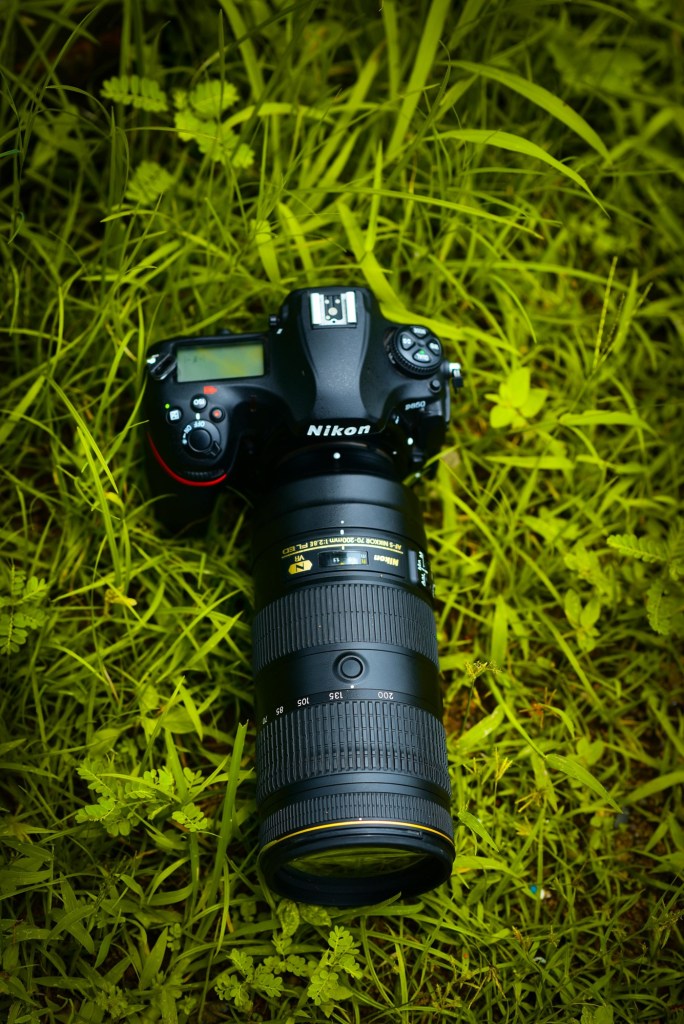
Now let’s define each setting and think of ideal settings for different types of shots within those definitions.
Focal Length
Focal length is a characteristic of lens. Simply put, focal length is directly proportional to amount of zoom. Lesser the focal length, lesser the zoom and wider the area covered in shot.
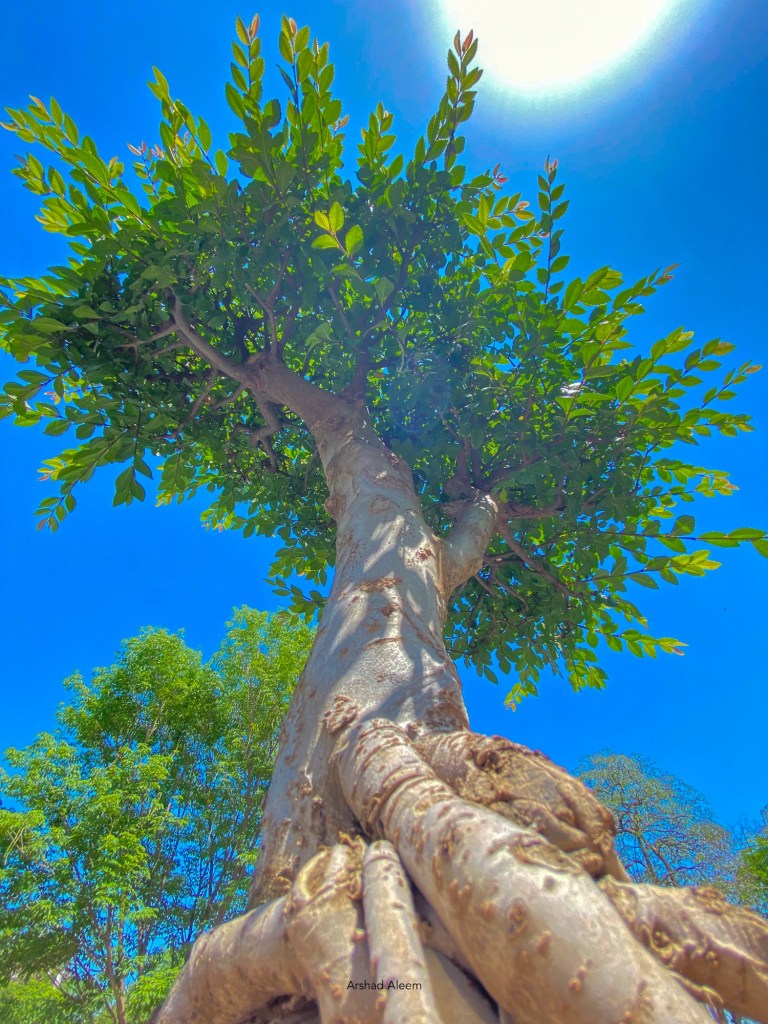
High focal length means higher zoom. Your camera starts behaving like a small telescope on very high focal lengths. That is why, high focal length lenses are called telephoto lenses.
If aperture is large, on telephoto focal lengths, very high amount of bokeh (background blur) occurs.
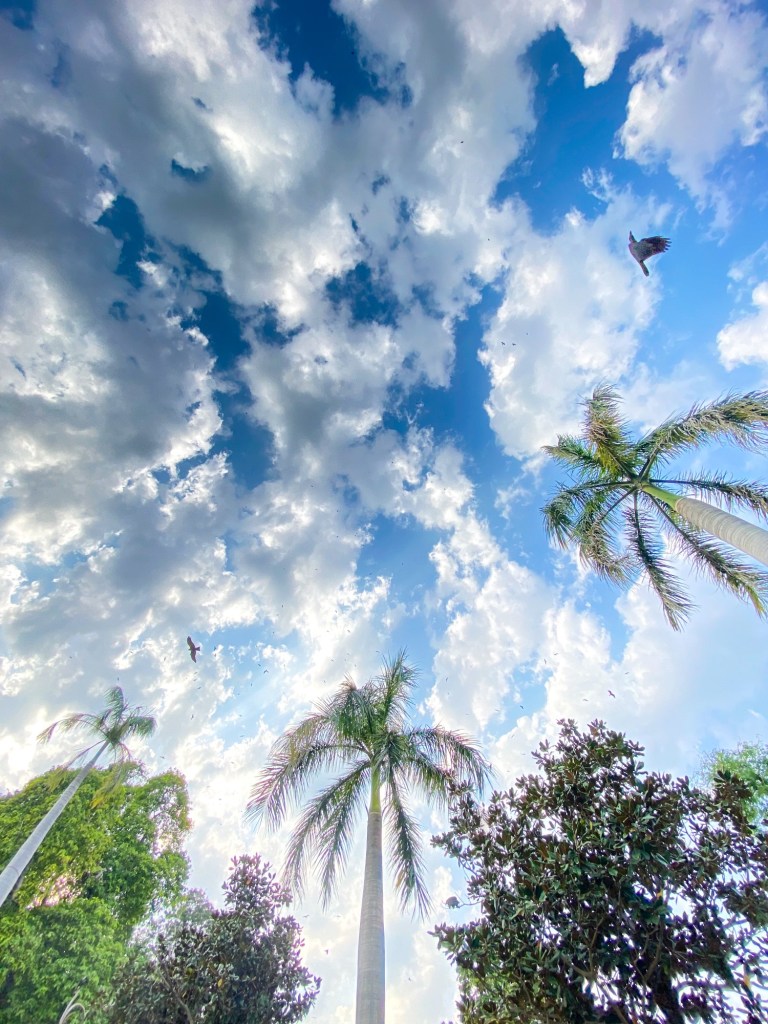
Focal lengths from 18mm to 50mm are called wide angle. And those lower than 18mm are ultra wide angle.
50mm focal length is close to human eye’s perception of the image.
Focal lengths higher than 50mm are all telephoto.
Focal lengths higher than 600mm are used in wildlife so that one can shot image from a distance.

Aperture
Aperture is same as we studied in elementary physics which is, diameter of a lens. Aperture setting is available on DSLRs not on phones.
Higher the aperture, higher the Bokeh (background blur behind subject)

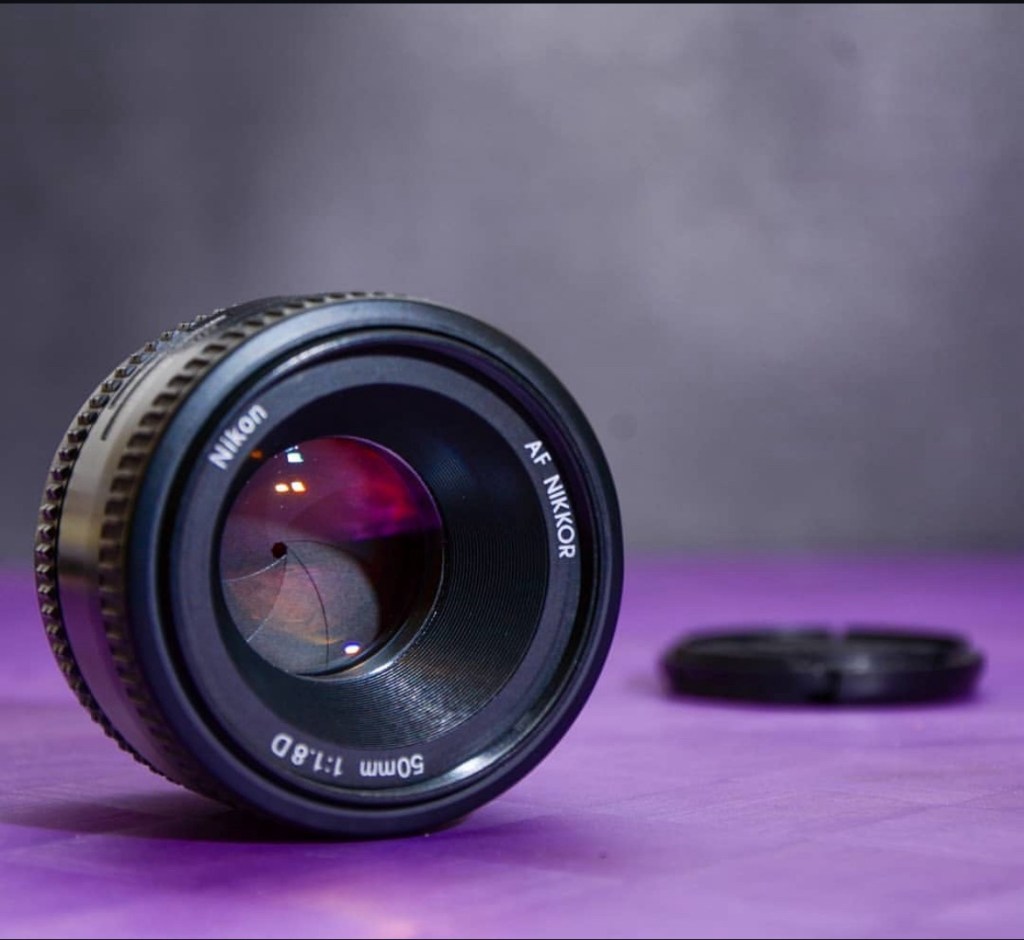
Now you see lens’ description. One part is 135mm, which is focal length and second part is F/2.8, which is called F number or Aperture. Apertures are expressed in ratio with F (focal length) to give a relative perspective of size of the lens.
Lens actual aperture = F/2.8 = 135mm / 2.8 = 48.2mm
So lens diameter actually is 48.2mm wide.
This is the amount of bokeh this lens can produce:

Smaller focal length lenses with smaller F number (high aperture) can produce such bokeh also.
To understand it quick, remember that smaller the number in F’s denominator, higher the aperture because F will be divided by smaller number and will result in a higher number.
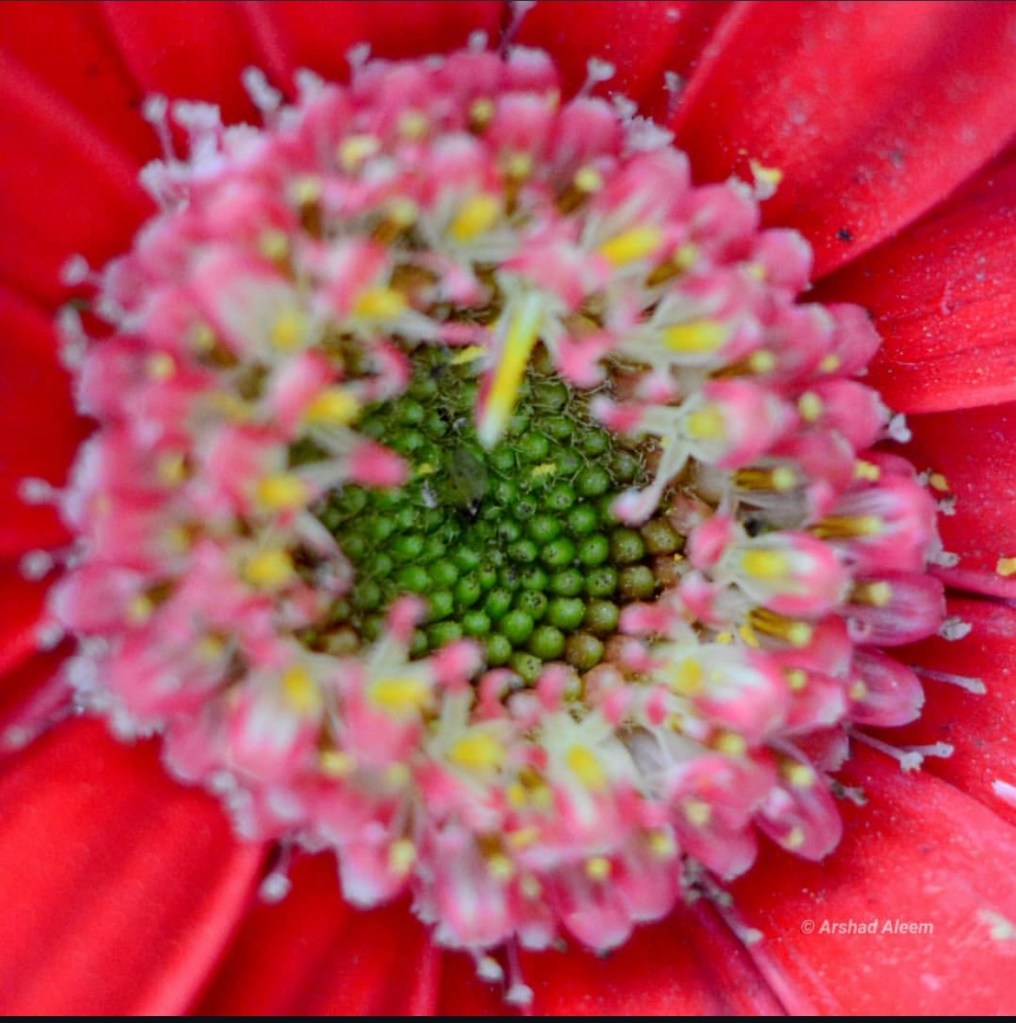
Do you recognise how the seeds are in focus and outer lining is out of focus?
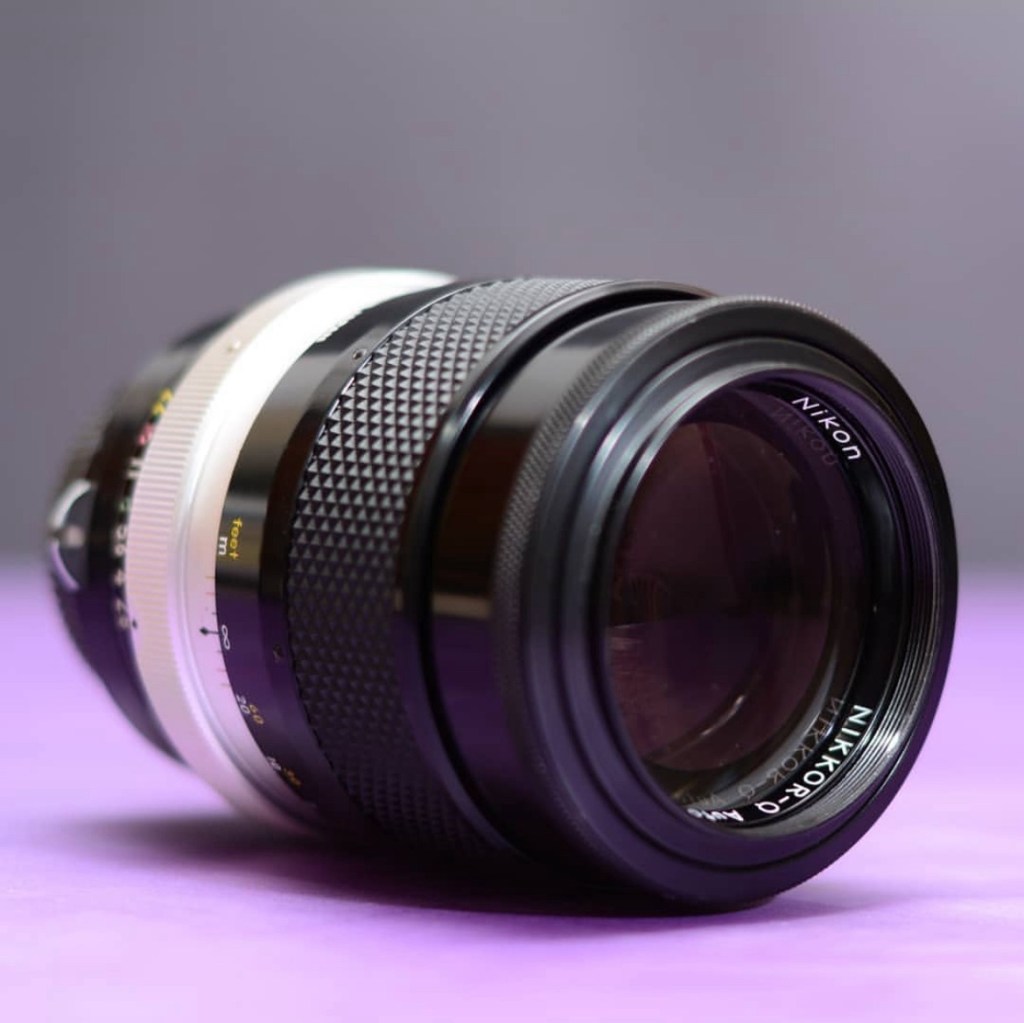
Here is the lens that shot this image:
Shutter Speed
Shutter speed represents the time frame for which camera sensor is exposed to the scene. It is as useful in phone photography as in DSLR.
Shutter speed, if not at-least as slow as whole second, is represented like a fraction of a second. Like 1/30 (1second / 30), 1/200, 1/5, 1/1000 etc. Higher the denominator higher the shutter speed. Higher shutter speeds can be used to capture high speed action, like a flying ball, 🥎, Racing car 🏎️, jumping dolphins 🐬, etc.

Opposite to fast shutter speeds, slow shutter speeds can be used with tripod to capture long exposure images. Word itself describes: LONG – EXPOSURE, camera’s shutter will stay open for longer time. Long exposure can be used in Astro imaging. Highest long exposure time in a typical entry level DSLR is 30 seconds. But in my camera, there is a bulb mode, due to which camera shutter can be opened for as long as we wish.

ISO Sensitivity
Just the way I have named this setting, it expresses its meaning. Yes it’s a kind of sensitivity. Photographic sensor’s sensitivity. Higher the ISO, higher the sensitivity is. Low ISO means sensor will discard less luminous light and only register well lit parts of a scene. Low ISO is noise free that’s why every photographer wants to image on low ISO. Because sensor can register fake light also once very high ISO is entered which is called noise. High ISO values are useful for low light situations eg. Night shooting
ISO values start from 100 and go up-to hundreds of thousands. Low light situations can be shot on tripod and low ISO to shot on low aperture speed (in seconds instead of milliseconds)
This is very important to understand that if one wants low noise in the final image, ISO has to be turned low, which in turn demands more light, either by bigger aperture or by low shutter speed.

Exposure Value
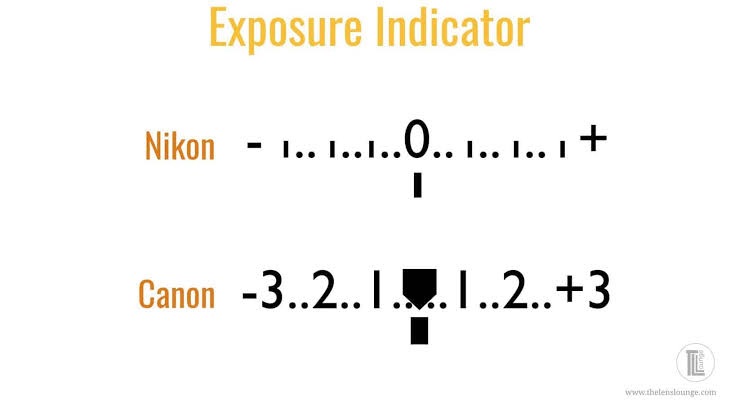
In DSLRs and Phones there is exposure bias setting. This is an exposure meter:
When shooting in full auto mode, there is no need to look at this meter.
When shooting full manual, this meter tells us how much over exposed or under exposed our image will be. Ideally, the pointer should be at 0.
If it is on left side of zero, you need to increase light. Either by increasing aperture but you may not have room for that, or increasing ISO which will cause more noise, or decreasing shutter speed due to which you may need a tripod.
If the pointer is on right side of 0, then it means image will be overexposed. To curtail this, we will turn down ISO which is good, or we will increase shutter speed or we will decrease aperture size.
In DSLR, there are 2 more modes:
- Shutter Priority Auto: in this mode, Shutter speed is kept user configurable and Aperture gets set according to required light.
- Aperture Priority Auto: in this mode, Aperture is user configurable and shutter speed is variable as per requirements of light.
This brings us to end of this article. Do tell us how you enjoyed this article in comments. If any aspect you want to understand in more detail, mention that in comments too 😃
 Arshad Aleem
well explain ❣️
LikeLiked by 1 person
Thanks Saad
LikeLike
Nice article
LikeLiked by 1 person
Thank you Asad bhai
LikeLike