The Government of Pakistan has announced that petrol prices will now be determined on a day‑to‑day basis, linked to international benchmarks such as Platts Arab Gulf assessments (which track regional gasoline and diesel prices that move with Brent crude). Under the new mechanism, the Oil and Gas Regulatory Authority (OGRA) calculates and publishes ex‑depot prices every day except weekends; Friday’s prices remain in effect on Saturday and Sunday. In recent weeks, the dominant trend has been upward, with only brief, small reductions (for example, a one‑rupee dip on some days) amid otherwise frequent increases. Below, I explain why passing international oil price changes through to domestic pump prices can be important for Pakistan’s macroeconomic stability.
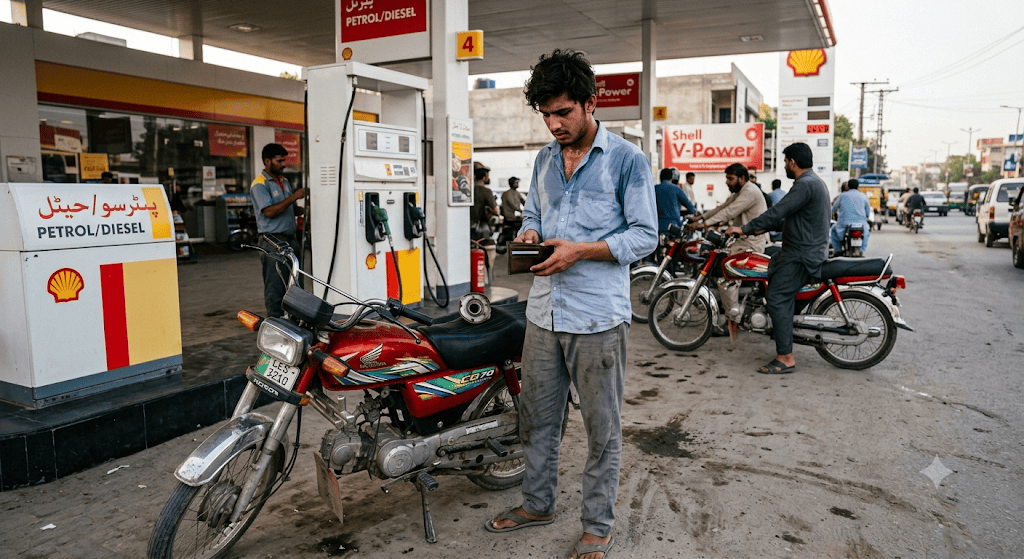
A key perspective is that Pakistan is not a major oil‑producing country and must import most of its crude oil and refined products. Industries, vehicles, and the entire logistics chain for goods depend heavily on petrol and diesel. Unless the economy shifts at scale to renewables (solar, wind, etc.), Pakistan remains highly exposed to global crude prices and the dollar–rupee exchange rate.
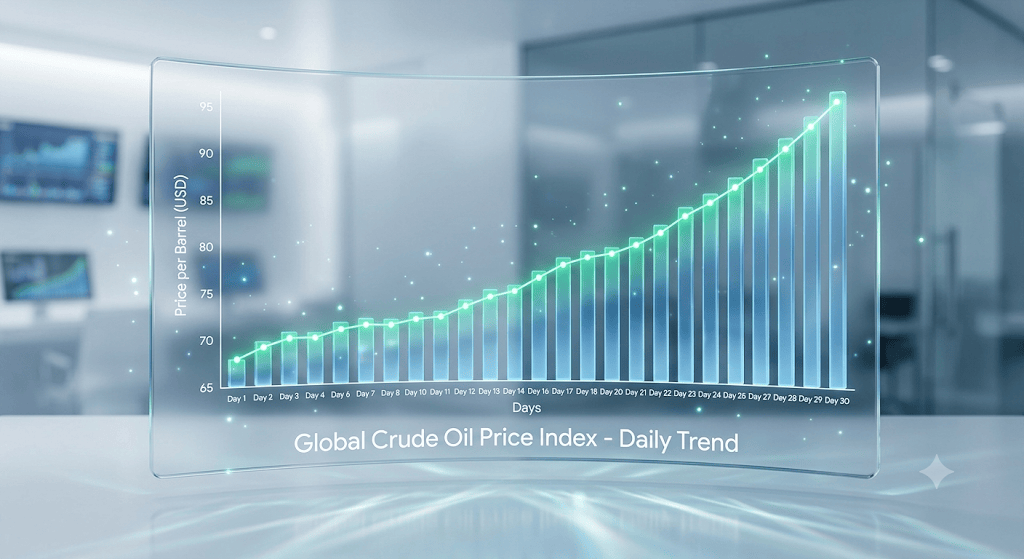
When international crude and refined product prices rise but the government holds domestic fuel prices fixed, it effectively subsidizes each litre sold. Because imports are paid in US dollars while revenues are collected in Pakistani rupees, persistent under‑pricing can widen the current account deficit, pressure foreign exchange reserves, and constrain the country’s ability to finance future imports. To avoid large quasi‑fiscal deficits and balance‑of‑payments stress, it is important that changes in international crude/product prices are reflected in domestic prices in a timely way. In other words, aligning what the government pays internationally (in dollars) with what it recovers domestically (in rupees) helps keep the external accounts and overall economy more stable.
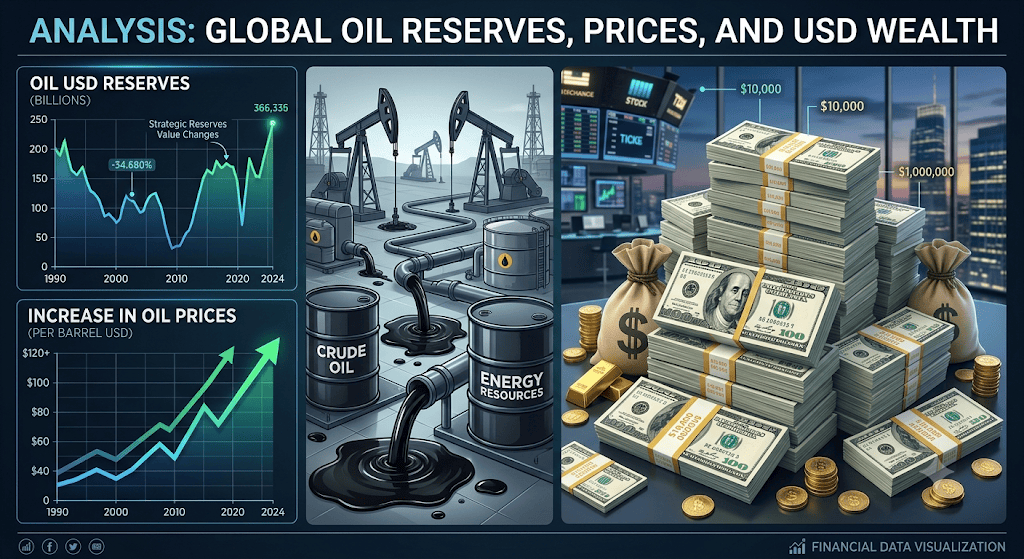
I won’t turn this into a political post, but Pakistan’s history shows both episodes where fuel prices were raised in line with international moves and episodes where they were held down despite rising global prices. In general, when prices were adjusted to reflect international levels, the fiscal and external imbalances were contained and markets (including the stock exchange) faced fewer sudden shocks from subsidy‑related surprises. Conversely, when prices were suppressed while global costs rose, the country faced heavier import bills, tighter dollar liquidity, and broader economic stress. Recent reporting in 2026 explicitly links large fuel price hikes to global crude volatility and notes their inflationary and reserve impacts, underscoring why timely pass‑through matters.

